
Sculpted by Stone – Experience Antelope Canyon
 Emotion Picture
Sculpted by Stone
Our Guide to Experiencing Antelope Canyon
By Allison McKnight
March 1, 2026
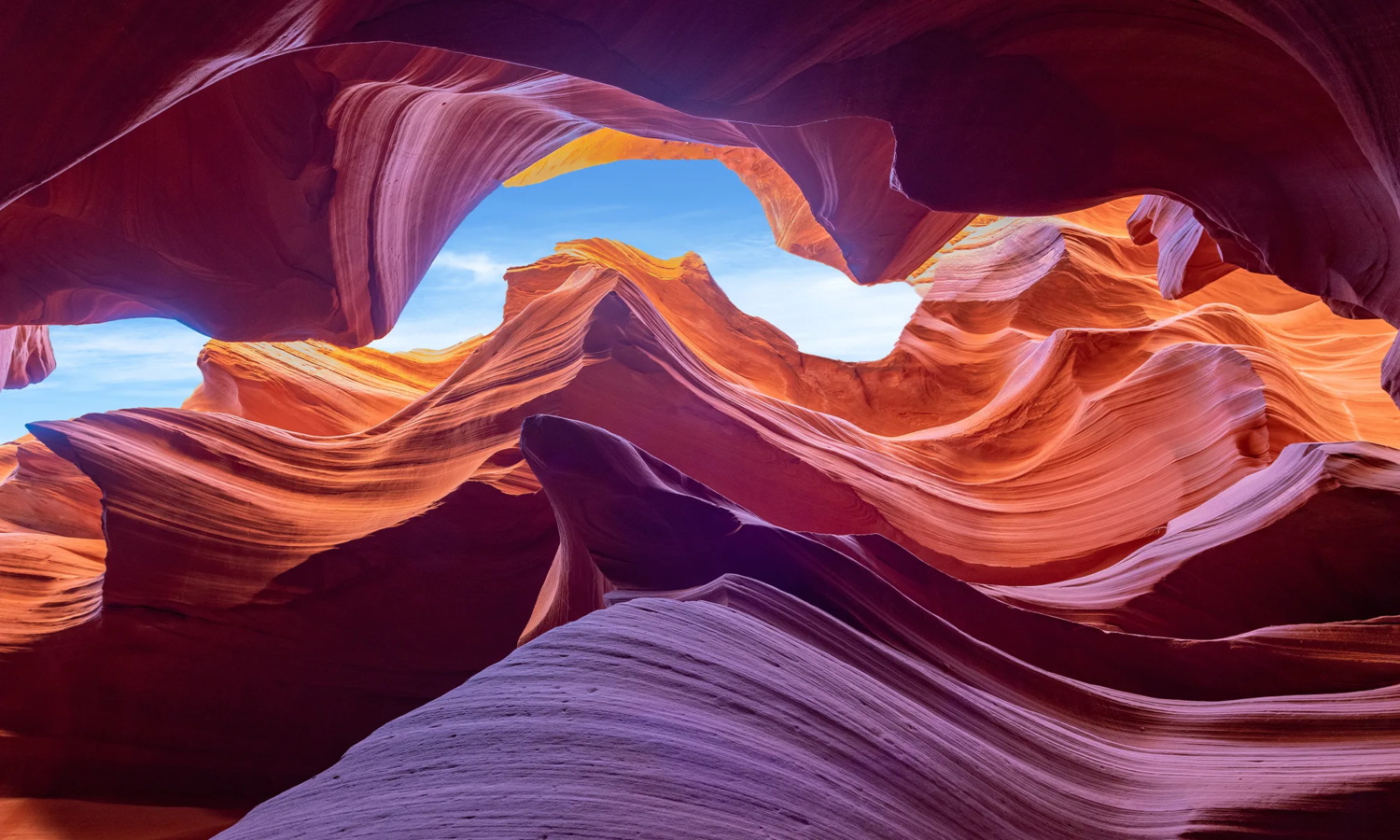
Deep within the high-desert expanse of Northern Arizona, just outside the city borders of Page, lies a geological masterpiece that defies conventional imagination. Sculpted over millions of years by the dual forces of flash flooding and relentless wind erosion, Antelope Canyon stands as an international symbol of the Southwest’s raw, natural majesty. Here, the earth splits open to reveal narrow, subterranean corridors of Navajo sandstone, where walls of compressed desert sand curve and ripple like flowing liquid ribbon. It is a sanctuary where geology and light perform a continuous dance, drawing hundreds of thousands of travelers, photographers, and adventurers to the region every single year.
Navigating this world-famous landmark requires moving far beyond standard road-trip planning. Because Antelope Canyon is located entirely on sacred tribal land managed by the Navajo Nation, access is strictly regulated to preserve its structural integrity and cultural heritage. From deciding between the soaring corridors of the Upper Canyon and the technical staircases of the Lower Canyon to securing authorized native guides, a successful pilgrimage to this natural wonder hinges on meticulous preparation. By understanding the seasonal lighting shifts, tribal safety protocols, and structural nuances of the sandstone, you can transform a simple desert excursion into a deeply profound encounter with the timeless artistry of the American Southwest.
Architectural Duality
Choosing Your Slot Canyon Experience
The broader Antelope Canyon ecosystem is primarily divided into two distinct, physically separate sections located on opposite sides of Arizona State Route 98. While both corridors showcase the classic swirling, orange-and-purple sandstone patterns, each section offers a completely unique structural environment, grade of physical accessibility, and atmospheric personality.
Upper Antelope Canyon (The Crack)
Known traditionally in the Navajo language as Tsé bighánílíní, which translates directly to “the place where water runs through rocks,” the Upper Canyon is the most widely recognized and heavily photographed slot canyon on earth. This section is structured like an inverted “V”—narrow at the top and wide at the sandy canyon floor—allowing visitors to walk seamlessly on a completely flat, ground-level path without navigating any elevation changes.
The Upper Canyon is internationally famous for its dramatic, ethereal shafts of direct sunlight, which pierce through the narrow ceiling cracks to illuminate dust particles in the subterranean dark. These iconic light beams occur exclusively during the late spring and summer months, peaking between late May and early September when the sun sits perfectly overhead at midday. Because of its flat terrain and world-famous light showcases, the Upper Canyon is highly sought after by families, individuals with mobility constraints, and landscape photographers looking to capture the ultimate desert image.
Lower Antelope Canyon (The Corkscrew)
Located just a few miles away, Lower Antelope Canyon is known to the Navajo as Hazdistazí, or “spiral rock arches.” This section is shaped like a traditional “V”—wide at the top opening and incredibly narrow at the bottom walkway. Entering the Lower Canyon requires a much more physical, adventurous approach, as visitors must descend a series of steep, industrial metal staircases and ladders directly into the depths of the earth.
Once inside, the corridor tightens significantly, forcing hikers to squeeze through narrow, winding passageways and step over uneven rock shelves. Because the ceiling opening is wider, the Lower Canyon receives a more continuous distribution of ambient daylight, casting a vibrant spectrum of shifting pastels, deep lavenders, and fiery coppers across the undulating walls. The Lower Canyon is typically favored by active travelers who enjoy a dynamic hike and wish to explore the intricate, sculptural details of the sandstone closer to eye level.
The Tribal Imperative
Navigating Mandatory Guided Tours
The single most critical rule of planning an Antelope Canyon excursion is understanding that independent exploration is strictly prohibited. Following a tragic, sudden flash-flood event in 1997, the Navajo Nation enacted strict conservation and public safety laws. Today, entering any portion of the slot canyon requires booking a tour operated exclusively by an authorized, licensed Navajo guide company.
These expert local guides provide an invaluable layer of safety, continuously monitoring upstream weather patterns via regional radar loops to anticipate flash floods long before rain falls near Page. Furthermore, your native guides serve as cultural ambassadors, explaining the deep spiritual significance the canyon holds for the Navajo people, who traditionally view the slot canyons as sacred places of reflection and reverence.
Tour companies operate directly out of Page and the surrounding tribal land. Because daily visitor caps are tightly enforced to prevent overcrowding, securing your reservations three to six months in advance is an absolute necessity, especially if you plan to visit during the peak summer travel season. Your booking fee will automatically include the mandatory Navajo Nation Tribal Park Permit fee, which directly funds the environmental preservation and maintenance of the surrounding parklands.
Mastering Slot Canyon Photography
Chasing the Glow
Capturing the raw beauty of Antelope Canyon on a camera sensor presents a unique set of technical hurdles. The extreme contrast between the blazing desert sky peaking through the ceiling and the deep, ink-black shadows at the base of the canyon floor easily exceeds the dynamic range of standard cameras and smartphones. To prevent blown-out highlights and muddy shadows, a few specific settings adjustments are essential.
If you are shooting with a modern smartphone, turn off your automatic flash completely, as it will flatten the dramatic natural shadows and reflect harshly off the sandstone walls. Instead, manually lock your focus onto a mid-tone section of the rock wall and slightly lower your exposure slider to enrich the saturation of the deep oranges, pinks, and purples. For those utilizing professional DSLR or mirrorless systems, shooting in a RAW format is crucial, allowing you to maximize shadow recovery during post-processing.
Set your camera to a wide-angle lens to capture the sweeping, scale-defying curves of the corridors. Because traditional tripods and monopods are legally banned on standard walking tours to keep foot traffic moving smoothly, you will need to shoot entirely handheld. Bump your ISO setting up moderately to maintain a sharp, fast shutter speed, stabilize your posture firmly against your core, and look for composition angles that catch the indirect, bounced light reflecting off the secondary walls to capture the true, alchemical glow of the stone.
Completing the Page Adventure
Nearby Wonders
An excursion to Antelope Canyon is easily paired with several other world-class natural attractions located within a fifteen-minute drive of the main trailheads. Before or after your slot canyon slot tour, make sure to visit the iconic Horseshoe Bend Overlook. Located just south of Page within the Glen Canyon National Recreation Area, a short, accessible trail leads visitors directly to the edge of a sheer 1,000-foot sandstone cliff overlooking a dramatic, horseshoe-shaped curve of the emerald-green Colorado River.
Additionally, outdoor enthusiasts can explore the sprawling waters of Lake Powell, a massive man-made reservoir offering premium boating, kayaking, and house-boating adventures amidst towering red rock canyons. By respecting local tribal laws, planning your booking timelines early, and immersing yourself fully in the rich cultural history of the Navajo Nation, your journey to Antelope Canyon will stand out as an unforgettable highlight of your Southwest travel itinerary.
How to Book Your Experience
To book a tour for Antelope Canyon, you must secure a reservation through a licensed, Navajo-owned tour company, as independent entry is completely prohibited
Follow these five sequential steps to finalize your booking:
1. Choose Your Canyon Section
* Upper Antelope Canyon: Best if you prefer a flat, level walk with no stairs, or if you want to chase the famous midday sunbeams.
* Lower Antelope Canyon: Best for active travelers comfortable climbing steep metal ladders and navigating tight, winding passages.
* Alternative Sections: If the main spots are sold out, consider booking tours for Antelope Canyon X or Cardiac Canyon, which offer smaller crowds and are also managed by authorized Navajo operators.
2. Select a Licensed Navajo Tour Operator
You must book directly through an authorized operator’s official website. Do not buy from unverified third-party ticket resellers. Highly rated options include:
For Upper Antelope Canyon:
- Antelope Canyon Navajo Tours: https://navajotours.com
- Antelope Canyon Tours: https://www.antelopecanyon.com
- Adventurous Antelope Canyon Photo Tours: https://navajolowerantelopecanyon.com
For Lower Antelope Canyon:
- Ken’s Tours: https://www.lowerantelope.com
- Dixie’s Lower Antelope Canyon Tours: https://www.antelopelowercanyon.com
3. Pick Your Tour Time Wisely
- Peak Prime-Time (10:30 AM – 1:00 PM): This window is required if you want to see the famous light shafts in the Upper Canyon. Tickets sell out months in advance and carry premium pricing.
- Early Morning / Late Afternoon: Ideal for the Lower Canyon, as the lower angle of the sun enriches the deep purple, pink, and orange hues on the sandstone walls.
4. Verify the Navajo Nation Permit Fee
When checking out online, ensure your ticket price includes the mandatory Navajo Nation Tribal Park Permit Fee (typically $8 per person). Most authorized operators bundle this directly into your initial ticket price, but keep your digital confirmation handy at the park check-in gate.
5. Review the Strict Bag Policy
Before paying, confirm you can abide by their strict security and safety rules. All operators enforce a strict no-bag policy. Backpacks, purses, fanny packs, selfie sticks, and tripods are completely banned on standard tours. You are only allowed to bring your smartphone, a standalone camera, and a bottle of water.


 By: Africa Studio