
Your Puppy Can Learn to Love the Right Chew Toy Instead of Your Favorite Shoes
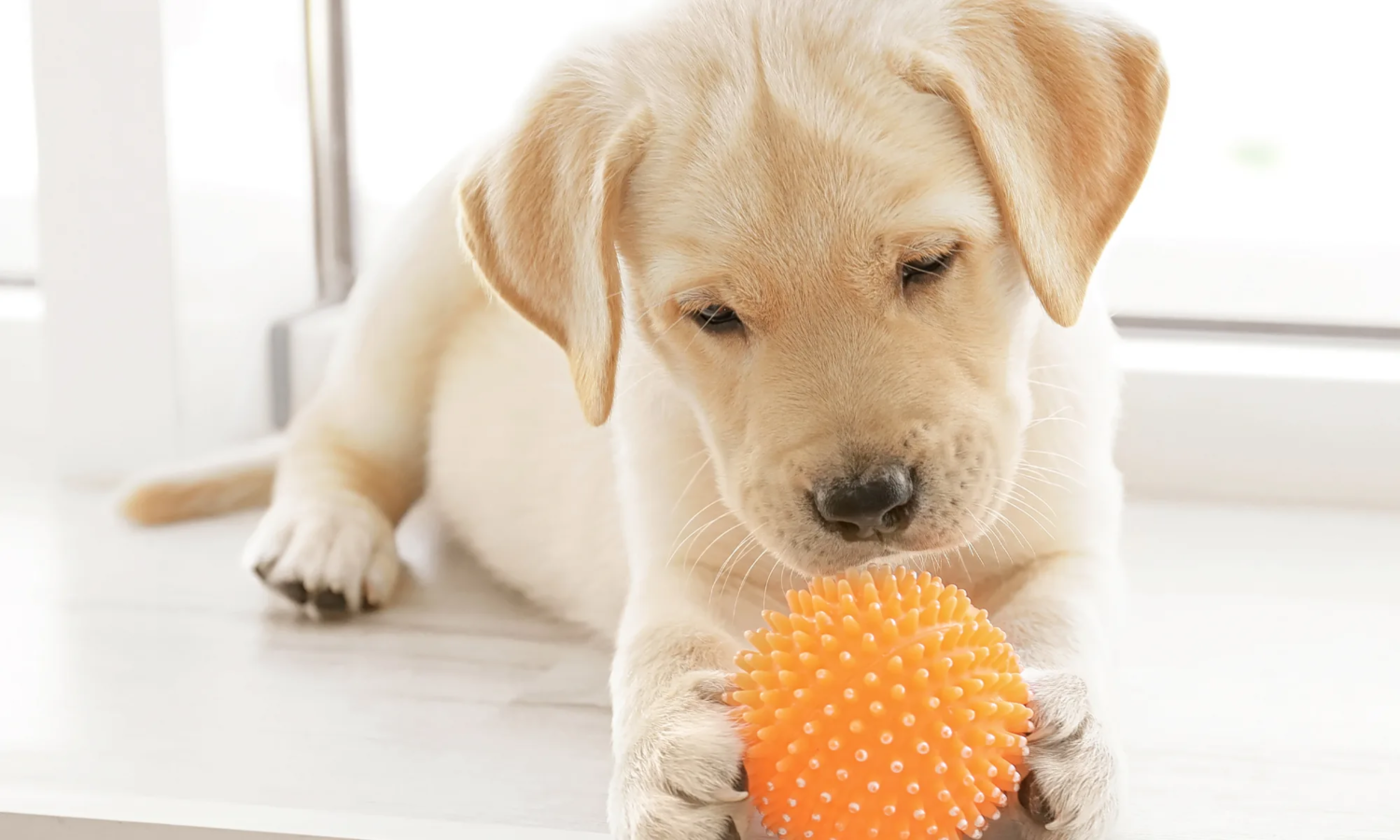 By: Africa Studio
by: Abi Rodriguez
photo by: Africa Studio
Paws Off! How to Train Your Puppy to Stop Chewing on Forbidden Items
Spring is here, and so are the new puppies! Many Phoenix families welcome playful additions to their homes during this season. However, those sharp little teeth often discover your favorite shoes, furniture legs, or electrical cords. The good news? You can train your puppy to stop chewing on forbidden items and redirect them to appropriate chew toys.
Puppies chew for many reasons. They explore the world with their mouths. Teething causes discomfort between 3 and 6 months of age. Boredom, anxiety, and excess energy also trigger chewing. Understanding these motivations helps you respond effectively.
Why Redirection Works Best
Punishing a puppy for chewing creates fear and confusion. Instead, focus on positive redirection. This method teaches good habits while strengthening your bond. Consistency and patience deliver the best results indoors, especially during Phoenix’s hot summers when outdoor time is limited.
Step-by-Step Training Guide
- Puppy-Proof Your Indoor Space
Start by removing temptations. Keep shoes, pillows, and cords out of reach. Use baby gates to limit access to certain rooms. A well-managed environment prevents bad habits from forming. - Provide the Right Chew Toys
Offer a variety of safe, engaging chew toys. Look for durable rubber toys like Kongs, nylon bones, or rope toys. Rotate them weekly to maintain interest. Stuff Kongs with peanut butter or treats for longer play sessions. - Catch Them in the Act
Supervise your puppy closely indoors. When you see them chewing something forbidden, interrupt gently. Say “no” calmly or use a sound distraction like clapping. Then immediately offer an approved chew toy. - Use Positive Reinforcement
Praise enthusiastically when your puppy chooses the right toy. Offer treats or playtime as rewards. Say phrases like “Good chew!” in an excited voice. Puppies learn quickly through positive associations. - Teach the “Leave It” and “Drop It” Commands
These two commands prove invaluable. Practice during playtime. Hold a toy in one hand and a treat in the other. When your puppy approaches the forbidden item, say “leave it” and reward with the treat. For “drop it,” trade the forbidden item for a better toy or treat. - Meet Their Needs Daily
A tired puppy chews less. Provide plenty of indoor exercise through puzzle toys, short training sessions, and interactive play. Mental stimulation reduces boredom-related chewing dramatically.
Choosing the Right Chew Toys
Select toys based on your puppy’s size and chewing style. Aggressive chewers need tougher materials like Benebone or West Paw toys. Softer plush toys suit gentler pups but require supervision.
For teething puppies, frozen washcloths or chilled rubber toys offer soothing relief. Avoid rawhide, as it can cause digestive issues. Always check toys for damage and replace them promptly.
Common Mistakes to Avoid
Never chase your puppy when they grab forbidden items. This turns it into a fun game. Instead, trade calmly. Also, avoid free access to the whole house too soon. Crate training helps manage alone time safely.
Consistency across all family members matters. Mixed messages confuse puppies and slow progress.
When to Seek Professional Help
Most puppies improve within weeks with consistent training. However, persistent chewing or destructive behavior may signal anxiety or medical issues. Consult a certified positive reinforcement trainer or your veterinarian if problems continue.
Phoenix has excellent local resources. Many trainers offer indoor classes perfect for our climate.
Building Lasting Good Habits
Redirecting chewing takes time, but the results last a lifetime. Your puppy learns boundaries while enjoying appropriate outlets for natural instincts. Soon, you’ll enjoy a well-mannered companion who respects your belongings.
Remember, every puppy is different. Celebrate small victories along the way. With patience and the right chew toys, you can turn destructive tendencies into positive habits.


 Emotion Picture