
Taliesin West: Frank Lloyd Wright’s Lasting Gift to the Phoenix Region
by: Jackie Taylor
Taliesin West is
Frank Lloyd Wright’s
Enduring Contribution to Phoenix
*September/October 2026*
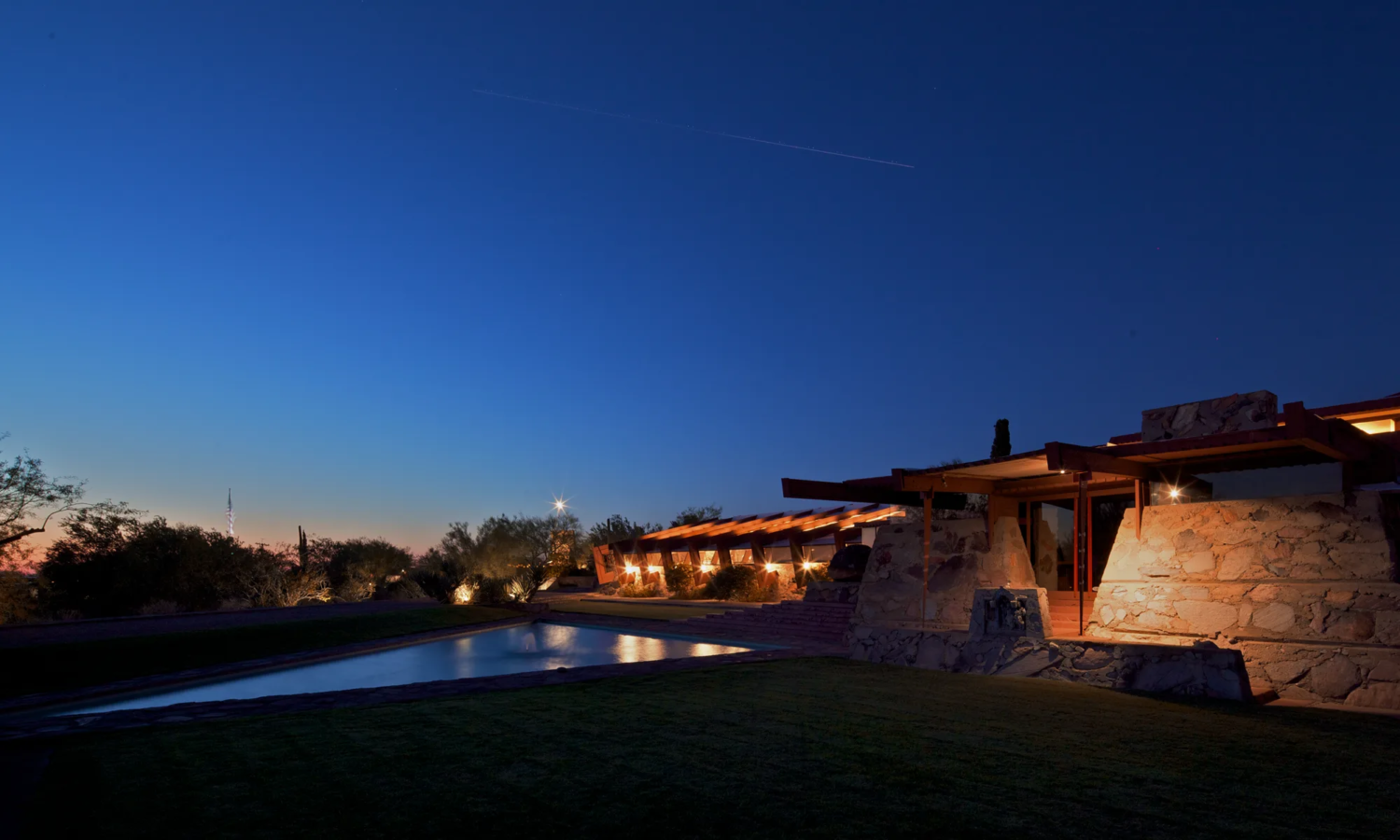
In the foothills of the McDowell Mountains in Scottsdale sits one of the most important architectural sites in the American Southwest. Taliesin West is more than a historic building. It is the winter home and desert laboratory of Frank Lloyd Wright, the place where the celebrated architect spent the final decades of his life shaping ideas that still influence design across the Phoenix region and beyond.
Wright first encountered the Arizona desert in the late 1920s while consulting on the Arizona Biltmore. The landscape left a deep impression. In 1937, at the age of 70, he purchased several hundred acres of land near what is now Scottsdale for a modest price and began creating a permanent winter camp. He called it Taliesin West, naming it after his earlier estate in Wisconsin. The goal was clear: to build in harmony with the desert rather than impose on it.
Wright and the apprentices of the Taliesin Fellowship constructed the complex largely by hand. They used local rock mixed with concrete and sand to form what Wright called “desert masonry.” The low-slung buildings, canvas roofs, redwood beams, and open terraces were designed to blend into the surrounding terrain. Light and shadow move across the structures throughout the day. Views of the mountains and valley remain central to the experience. Wright once described the site as “a look over the rim of the world.”
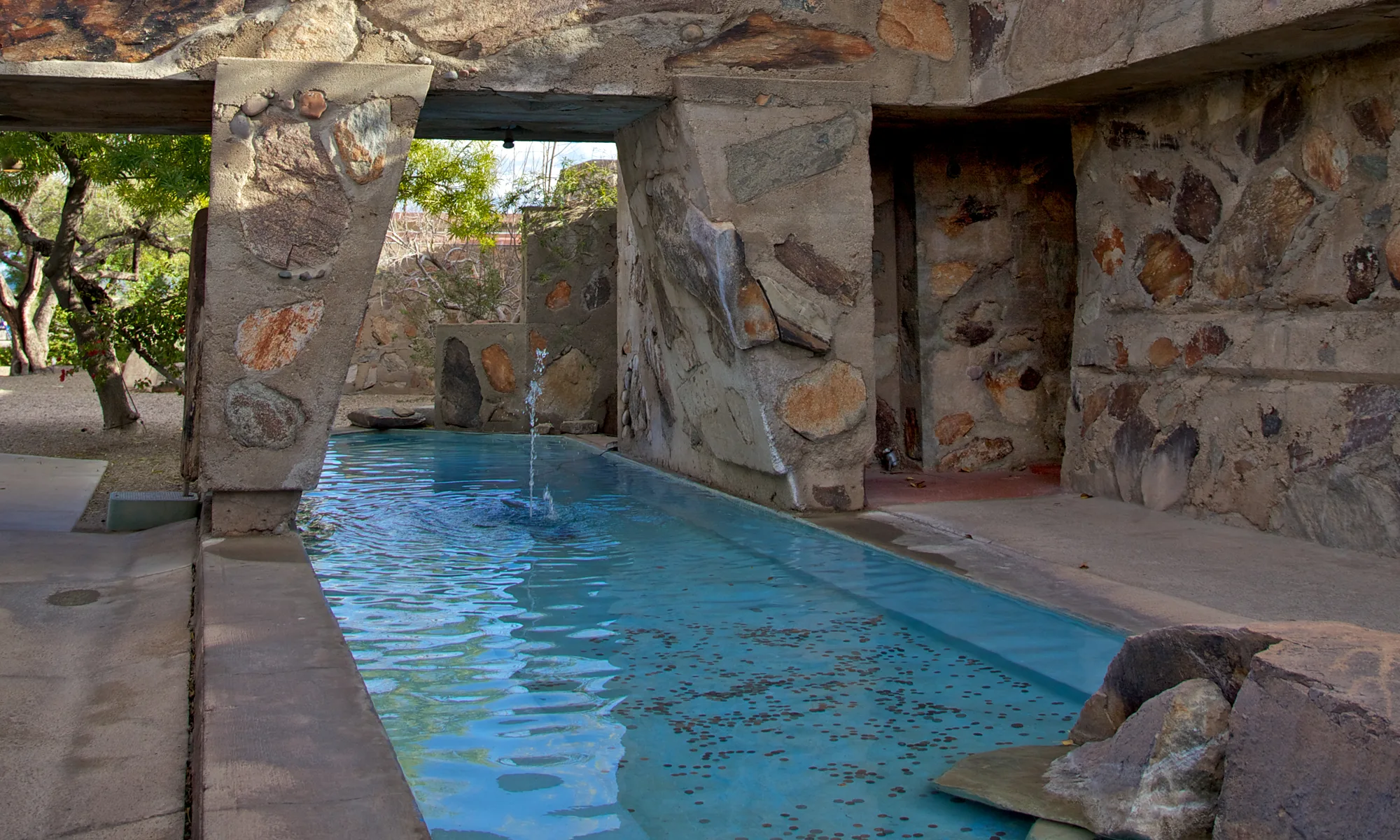
Taliesin West: Frank Lloyd Wright’s Lasting Gift to us.
Over the years the complex grew. It came to include living quarters, a drafting studio, theaters, dining spaces, and outdoor rooms connected by walkways and gardens. Furniture and many interior details were made on site. The entire property served as both home and school. Apprentices lived and worked there each winter, learning Wright’s principles of organic architecture through direct experience.
Wright continued to winter at Taliesin West until his death in 1959. During those years the desert setting shaped some of his later thinking about climate, materials, and the relationship between buildings and their environment. The site remains the headquarters of the Frank Lloyd Wright Foundation and is recognized as both a National Historic Landmark and a UNESCO World Heritage Site.
For visitors today, Taliesin West offers a direct connection to Wright’s vision. Self-guided audio tours and guided options lead guests through the historic core, including the living spaces, studio, and outdoor areas. The experience is both architectural and environmental. The desert itself is part of the design. Native plants, carefully placed rocks, and open sightlines reinforce the idea that buildings should belong to their landscape.
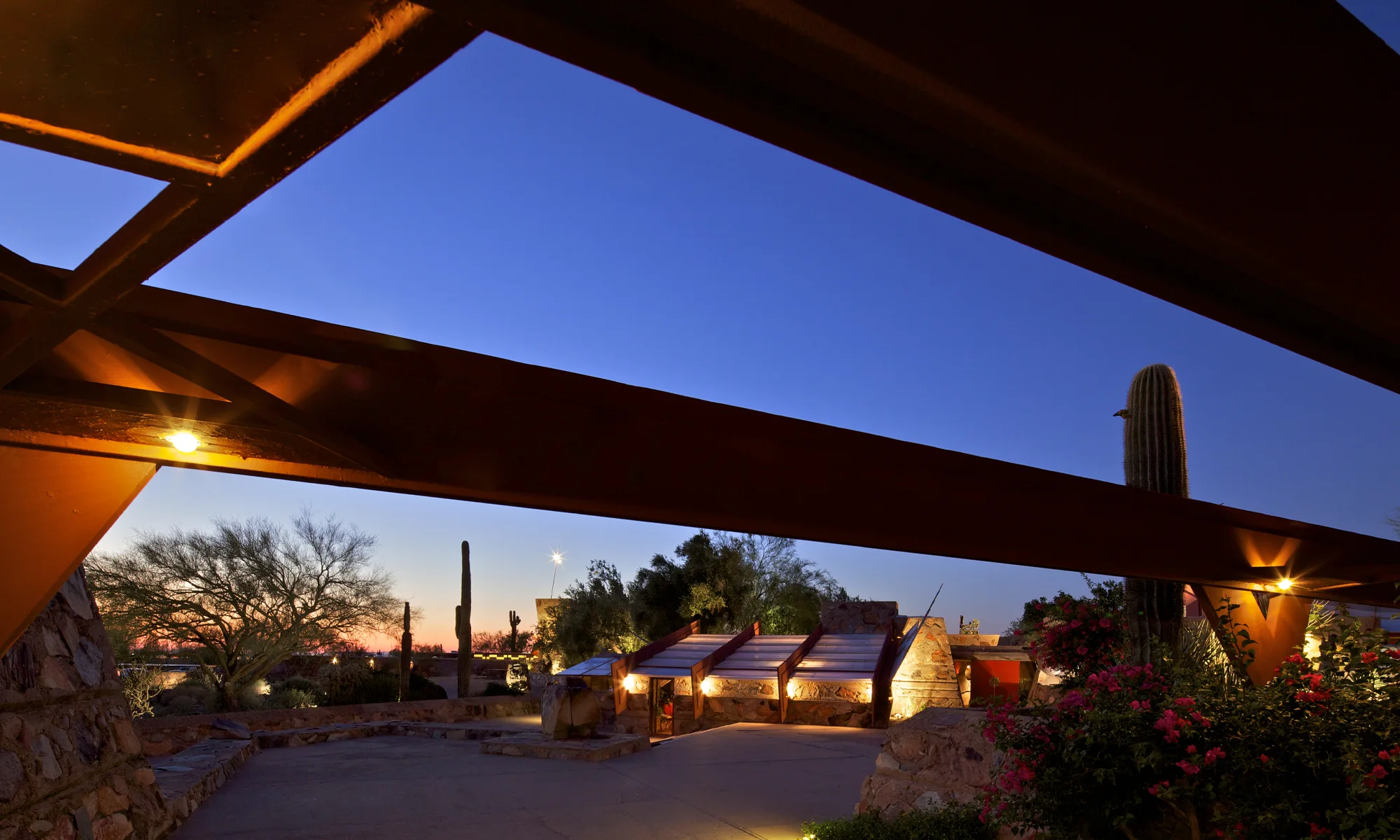
Taliesin West: Frank Lloyd Wright’s Lasting Gift to us.
 Wright’s influence on the Phoenix region extends beyond the property. His emphasis on responding to climate and using local materials continues to appear in contemporary desert architecture. Many architects and designers still study Taliesin West as a model for building thoughtfully in the Southwest. The site also serves as a cultural anchor, hosting programs, workshops, and events that keep Wright’s ideas active in the community.
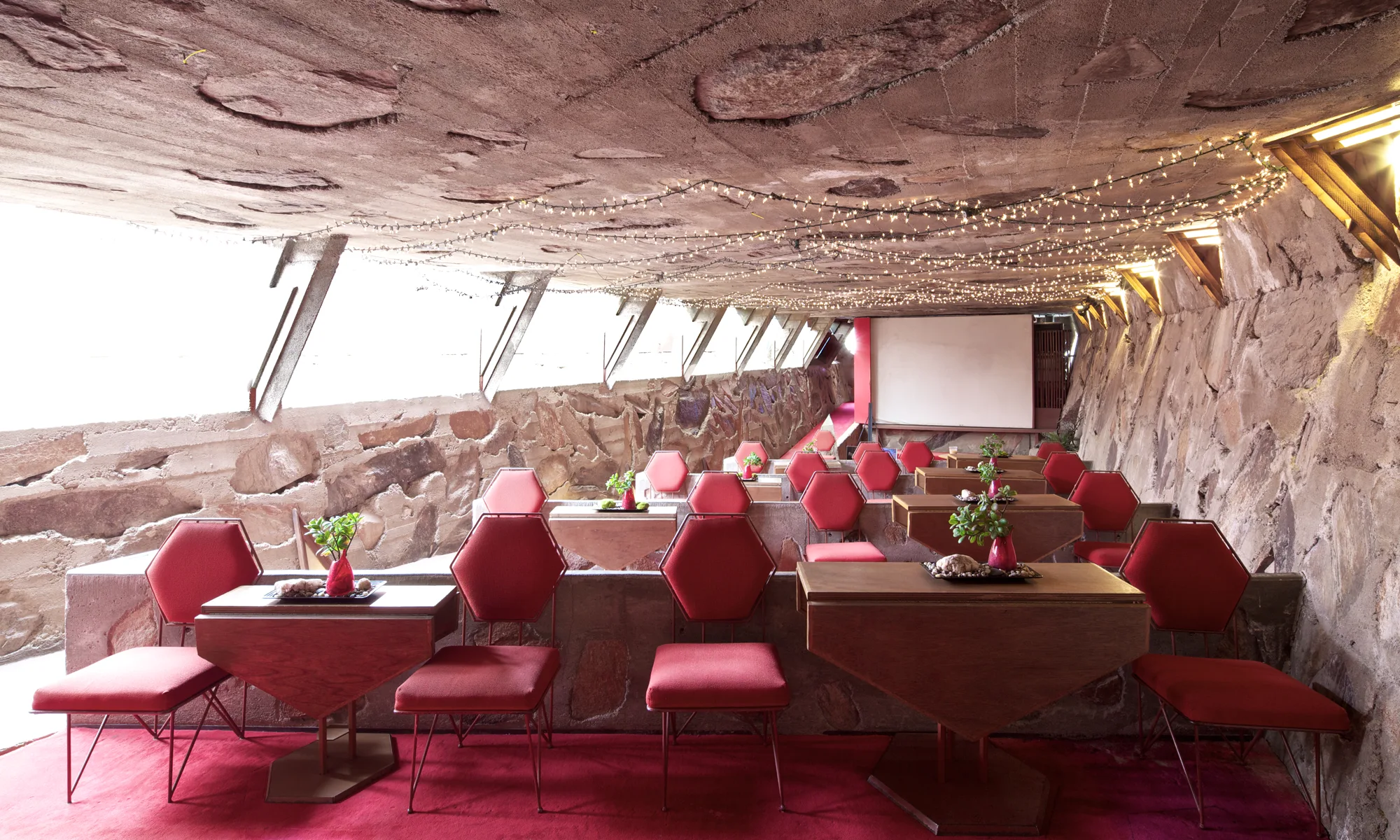
Taliesin West: Frank Lloyd Wright’s Lasting Gift to us.
September and October are especially good months to visit. The extreme summer heat has eased, and the light in the desert is soft and clear. Tours operate on a seasonal schedule, and advance reservations are strongly recommended. Comfortable walking shoes, sun protection, and water are practical necessities. The property is not open for casual wandering; entry is through ticketed tours that help preserve the historic structures and grounds.
Taliesin West stands as a living example of one architect’s deep engagement with the Arizona landscape. It is not a museum frozen in time. It continues to operate as a place of learning and inspiration. For residents of the Phoenix region and visitors alike, it offers a rare opportunity to experience architecture that feels inseparable from the desert itself.
In a growing metropolitan area, Taliesin West remains a reminder of the value of careful design, respect for place, and the lasting power of original ideas. Frank Lloyd Wright’s winter home continues to shape how people see and build in the Valley more than six decades after his death.
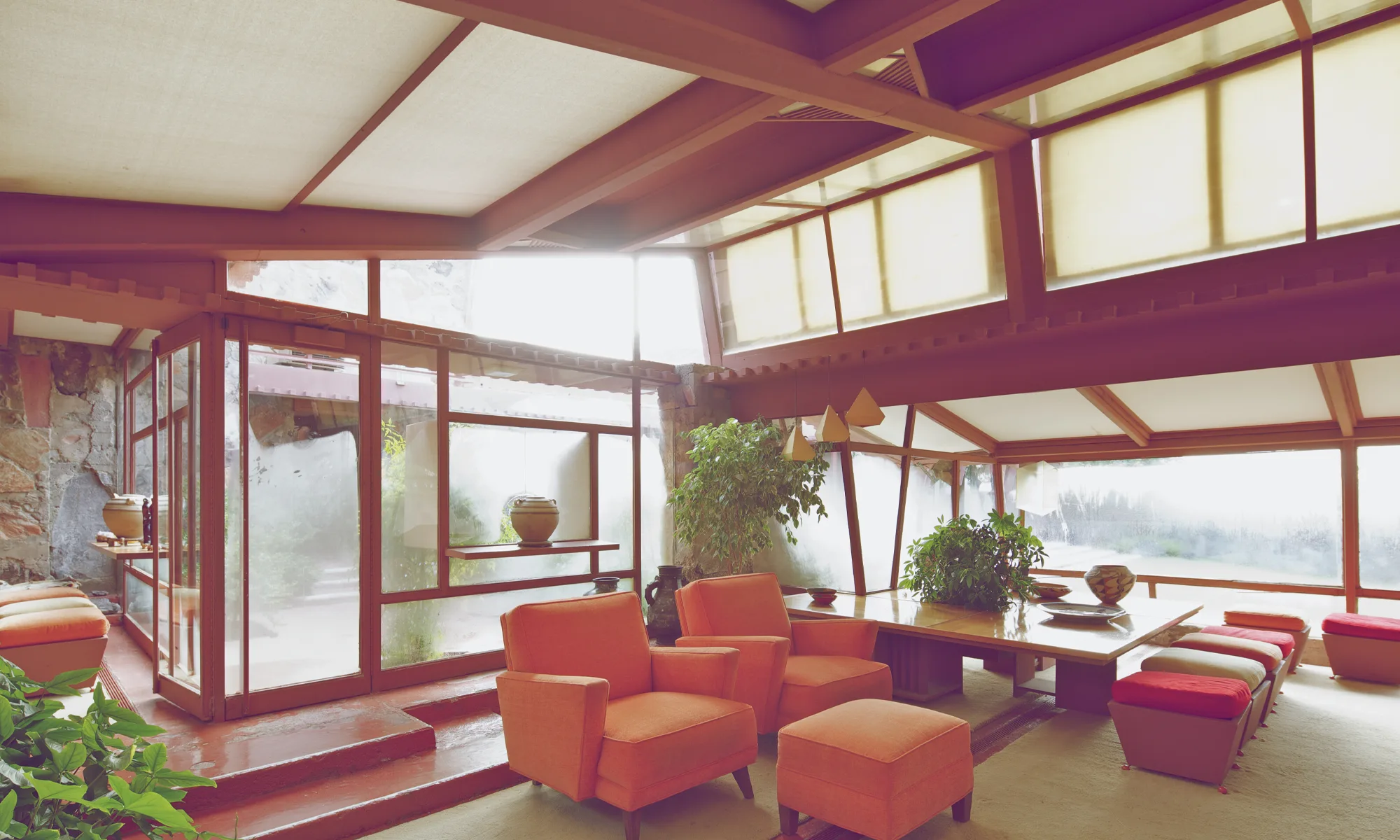
Taliesin West: Frank Lloyd Wright’s Lasting Gift to us.


