
New Year, New Neighbors
by: Rick Rome
How the Influx of Residents Is Reshaping Phoenix Communities
January 1, 2026, marks more than the start of a new year in the Phoenix region. It signals another chapter in the Valley’s ongoing transformation as new residents continue arriving in search of jobs, affordable living, and a vibrant lifestyle. The greater Phoenix metro area has experienced steady population growth for years, driven by semiconductor expansion, remote work flexibility, and the appeal of year-round sunshine. Neighborhoods in Scottsdale, Tempe, and the West Valley are evolving, creating both challenges and opportunities for connection.
Long-time residents and newcomers alike are navigating this shift, finding ways to build belonging amid rapid change. Their stories reveal a community that values inclusion and actively works to blend cultures and experiences.
The Changing Face of the Valley
The reasons people move to the Phoenix area are as varied as the newcomers themselves. Many cite career opportunities in tech and manufacturing. Others seek lower housing costs compared to coastal cities or a better quality of life for raising families. Retirees and remote workers are also drawn by the climate and outdoor lifestyle.
This influx is particularly visible in Tempe’s growing urban core, Scottsdale’s expanding northern and eastern edges, and the booming East Valley communities of Gilbert, Chandler, and Queen Creek. These areas have seen new housing developments, restaurants, and parks emerge to accommodate the population surge. While growth brings economic vitality, it also raises questions about preserving local character and ensuring everyone feels welcome.
Stories from New Neighbors
Maria Gonzalez moved from Los Angeles to Tempe in late 2024 with her husband and two young children. A marketing professional, she was recruited by a growing tech company near Arizona State University. “We loved the energy of LA but the cost of living and traffic were exhausting,” she shared. “Tempe felt like a fresh start—walkable neighborhoods, good schools, and the beautiful winters.”
Adjusting wasn’t immediate. Maria initially felt like an outsider at her children’s school events. “Everyone seemed to know each other already,” she recalled. Her breakthrough came through a neighborhood welcome event organized by the local homeowners association. There, she met other transplants and long-time Tempe families. “We bonded over shared experiences of starting over. Now I help organize monthly potlucks that celebrate different cultures.”
In the East Valley, the Patel family relocated from Chicago to Queen Creek in 2025. Raj Patel, an engineer, took a position with a semiconductor manufacturer. His wife, Priya, works remotely in finance. “We wanted space for our kids to play outside year-round and a strong sense of community,” Raj explained. “Queen Creek delivered that.”
The family joined a local cricket league that draws players from around the Phoenix region, and even some Arizona natives new to the sport. “It’s become our social hub,” Priya said. “My kids are learning about different traditions while making friends. It feels like we’re building something together.”
Long-Time Locals Embrace Change
Not everyone moving in is new to Arizona. Long-time residents are also adapting and often leading the way in fostering inclusion.
David Ramirez has lived in Scottsdale for over 25 years. He remembers when the area felt much smaller and more homogeneous. “The growth has been incredible,” he said. “New neighbors bring fresh energy and ideas. My wife and I used to complain about traffic and construction. Now we focus on the positives—like new restaurants and cultural events we never had before.”
David volunteers with a local initiative that pairs longtime residents with newcomers for coffee chats and neighborhood walks. “It’s simple but powerful,” he noted. “People just want to feel seen and heard. These conversations help break down barriers.”
In Tempe, retired teacher Linda Thompson has witnessed multiple waves of change near ASU. “Every few years the neighborhood shifts,” she said. “What stays the same is people’s desire to belong.” Linda helps coordinate a community garden project that brings together students, families, and seniors. “We grow vegetables from different cultural traditions—chiles from Mexico, herbs from India, greens popular in the Midwest. It’s become a place where stories and recipes are shared.”
Community Initiatives Fostering Belonging
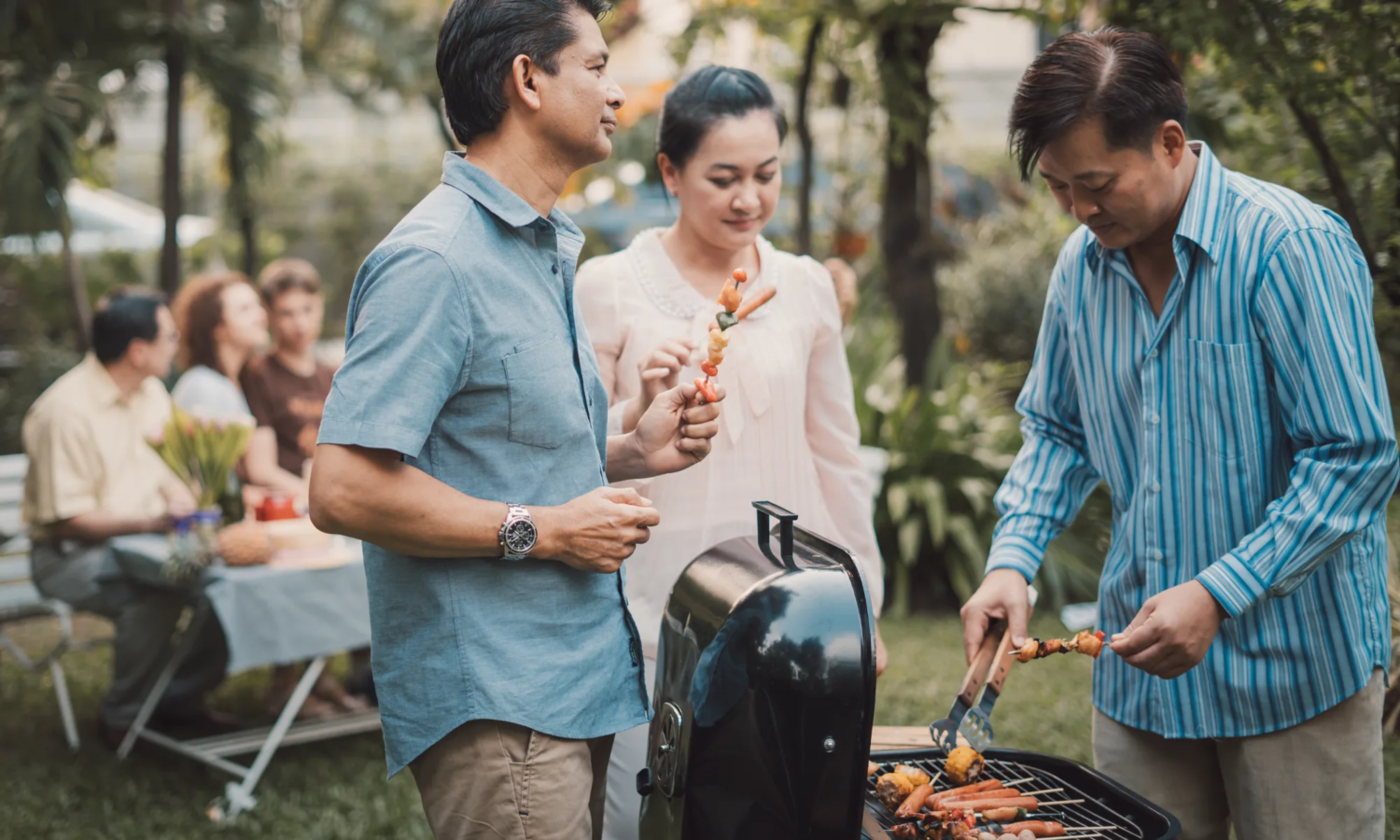
Across Scottsdale, Tempe, and the East Valley, grassroots and organized efforts are helping residents connect. Neighborhood associations host welcome mixers and cultural festivals. Libraries and community centers offer language exchange programs and job networking events tailored for newcomers.
In Gilbert, a popular “New Neighbor Night” series features panels with local leaders, real estate experts, and long-time residents sharing practical tips about schools, utilities, and hidden gems in the area. Similar programs in Chandler emphasize family activities that highlight the region’s growing diversity.
Cultural blending is evident in everyday life. Food trucks and restaurants now offer fusion cuisines reflecting the Valley’s changing demographics. Annual events celebrate everything from Diwali and Lunar New Year to traditional Southwestern heritage, drawing mixed crowds. These gatherings create natural opportunities for interaction beyond superficial greetings.
Schools and youth sports leagues also play key roles. Many programs now include welcome orientations for new families and celebrate multicultural holidays. Parents report that children often adapt faster than adults, forming friendships that help entire families integrate.
Looking Ahead in 2026
As the new year begins, the Phoenix region’s growth shows no signs of slowing. The stories of transplants like Maria and the Patels, alongside long-time residents like David and Linda, illustrate that meaningful connection is possible even amid rapid change.
Community initiatives focused on inclusion are proving essential. Whether through shared meals, sports leagues, gardens, or simple conversations, residents are actively shaping neighborhoods where everyone can belong. The blending of backgrounds, experiences, and traditions is creating a richer, more dynamic Valley—one where new neighbors and old friends build something lasting together.
For those arriving in 2026 and those who have called the Phoenix region home for decades, the message is clear: growth brings challenges, but it also brings opportunity. By reaching out and participating in local efforts, the community continues to evolve in welcoming and inclusive ways.


